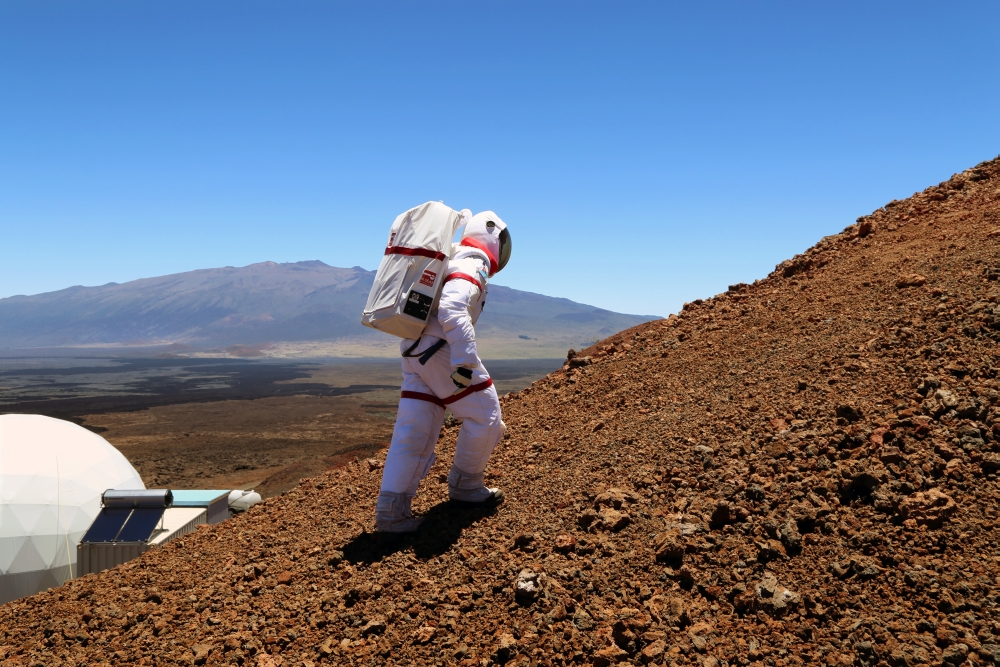
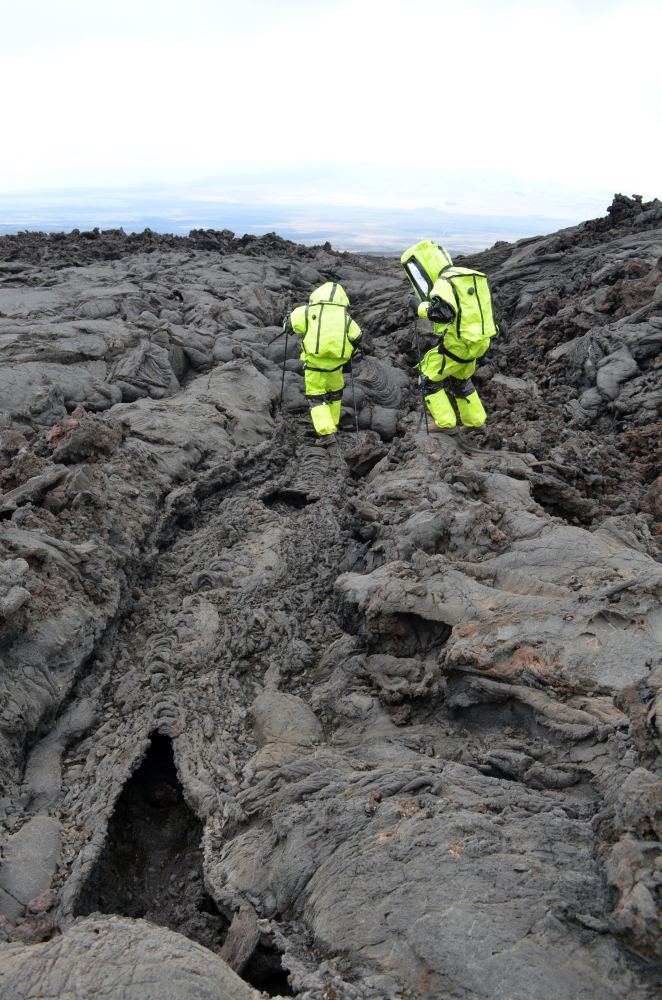
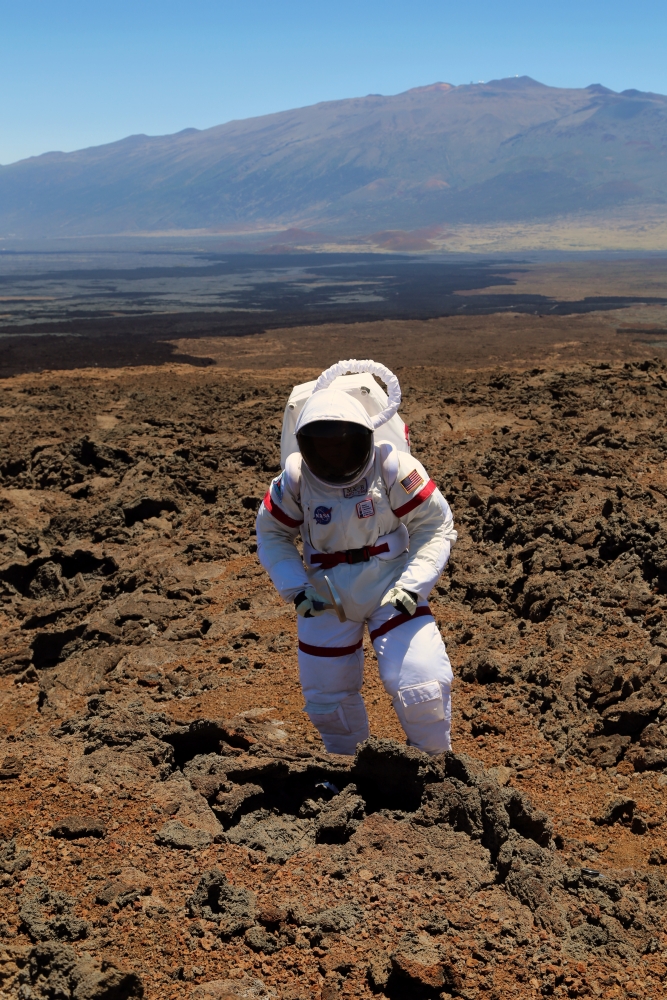
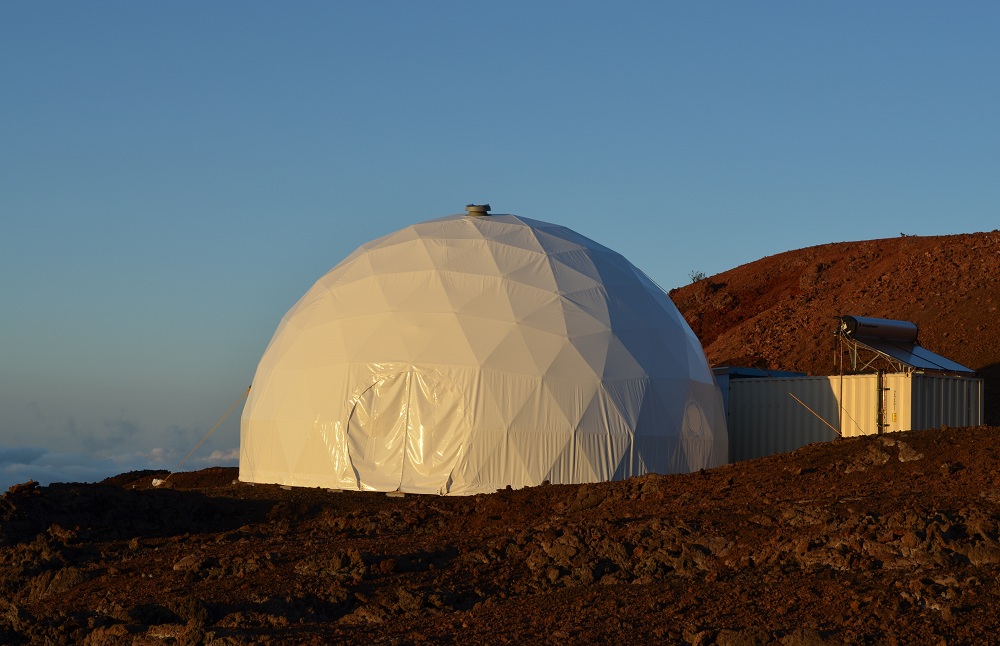
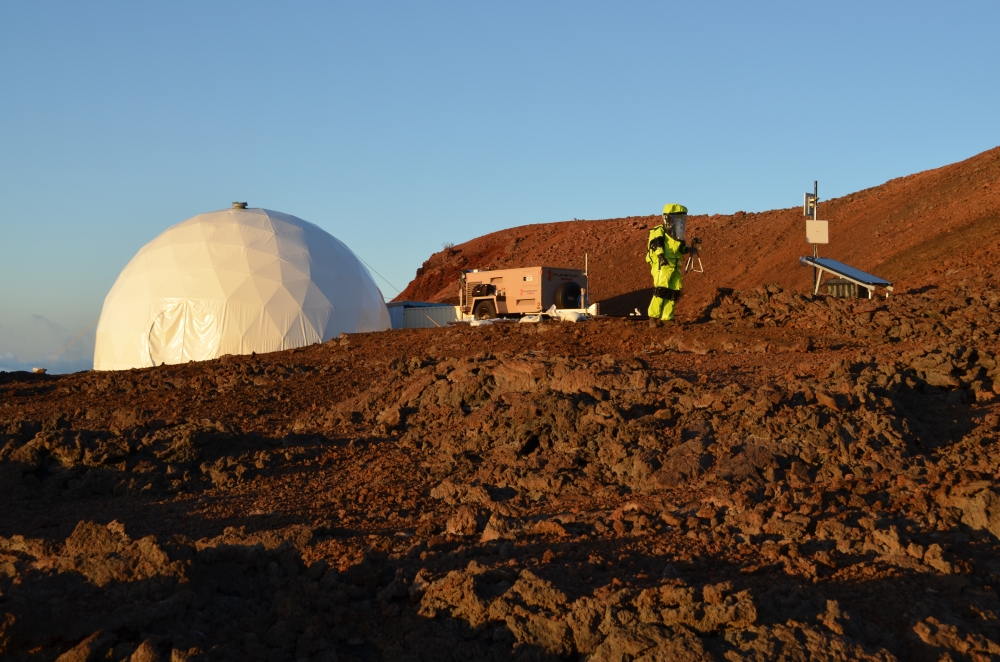
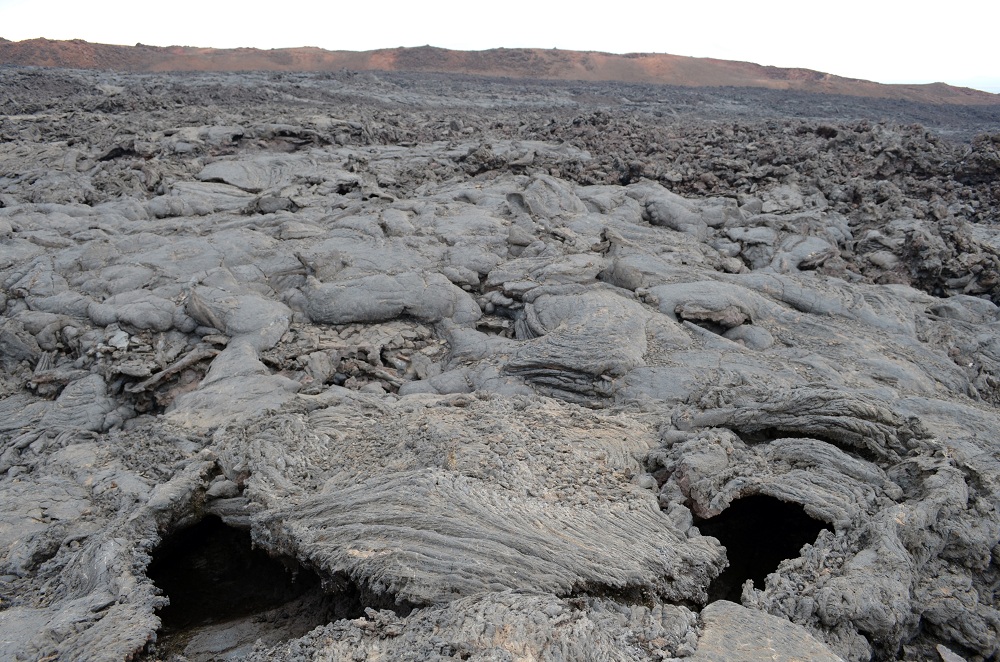
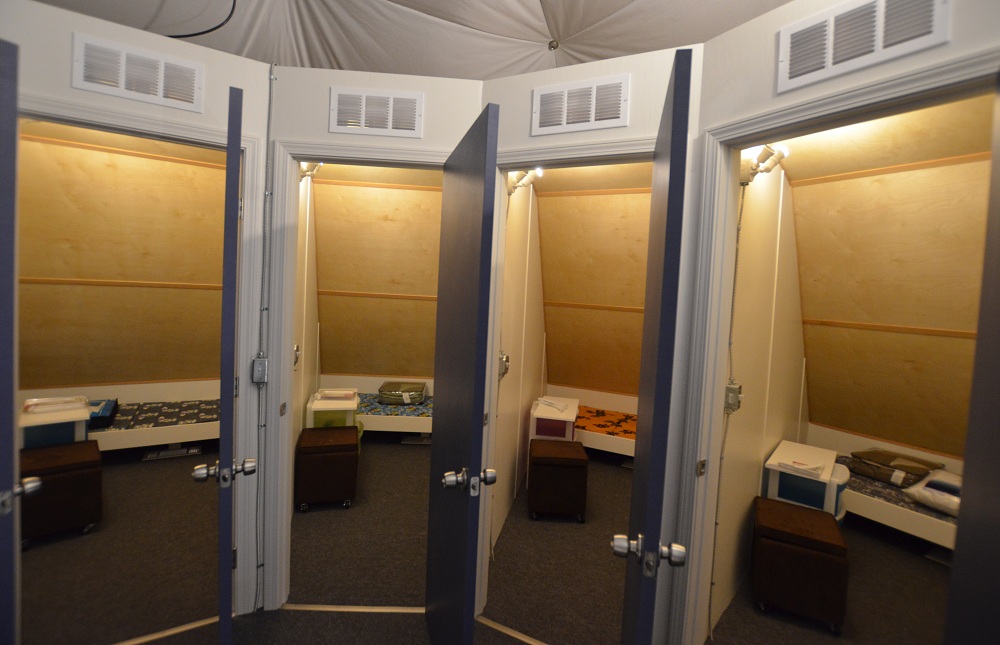
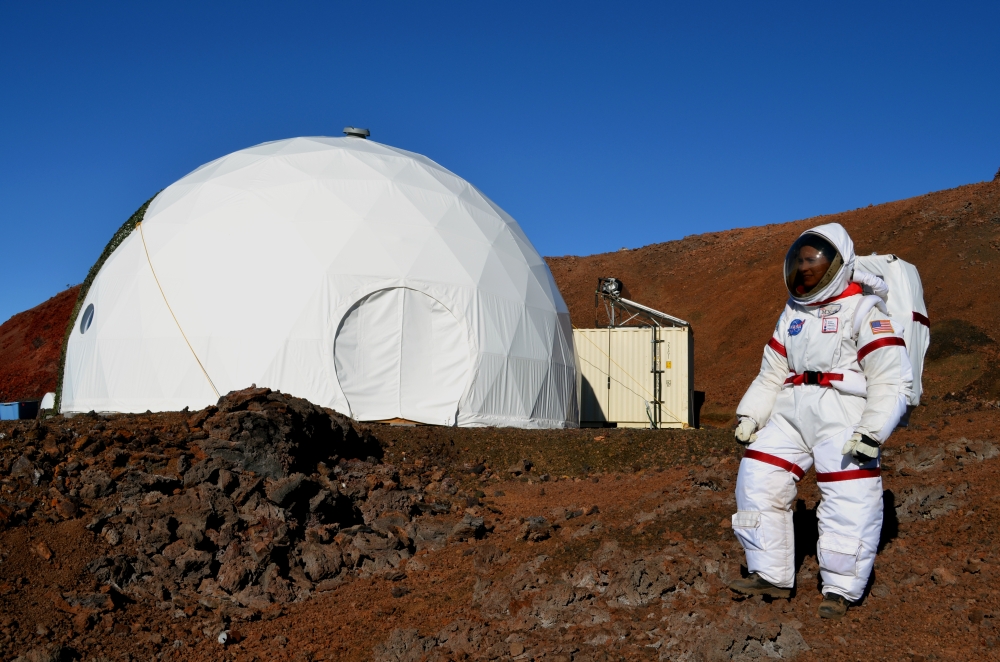
Week 1 – My first week in Hilo, Hawaii was spent getting acclimated to my surroundings of 10 weeks. I ended up meeting my colleague Essick Allen and Dr. Kim Binsted throughout the week. The current project that I am working on is the Hi-Seas Project. The project is a 4 month simulation of Mars which is located on the mountains of Hilo, Hawaii. Majority of the project is based on food studies and testing the best foods for a long term space mission. I was assigned with the task of designing a public outreach/informal website and implementing a program to analyze images of food and figuring out the dimensions as well as recording the weight of the food inputted from a digital scale.
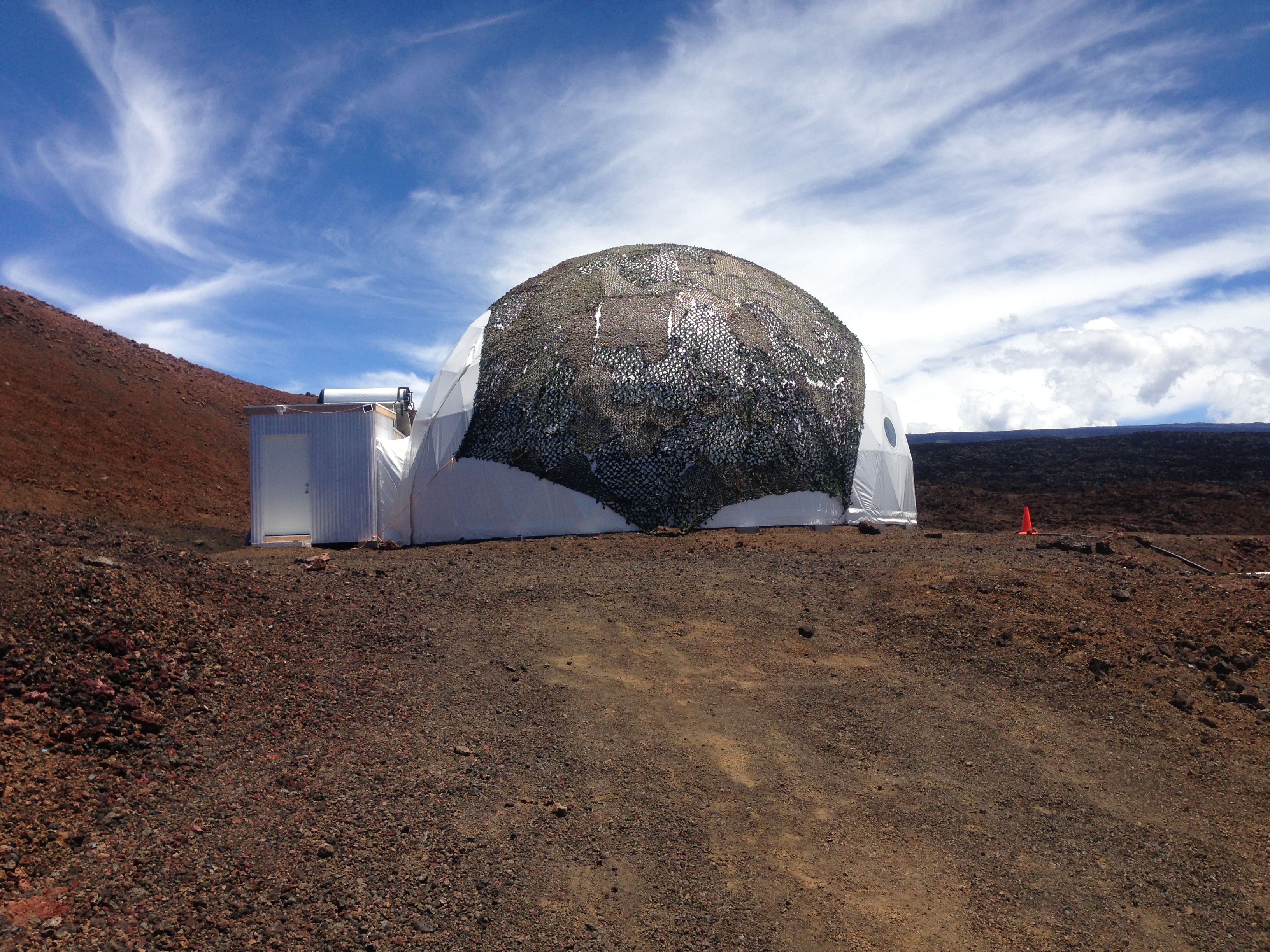
Week 2- The second week, I had the opportunity to actually visit the habitat. The habitat was about a 2 hour drive outside of Hilo. We delivered about 500 gallons of water as well gas to refuel the generator. We also had the task of placing a tarp over the habitat to make it less visible. The tarp turned out to be too bright making the habitat even more visible; therefore, we took down the tarp and decided to spray paint colors closer to the mountain rocks which are variations of brown. Over the weekend we waited for the tarp to dry.
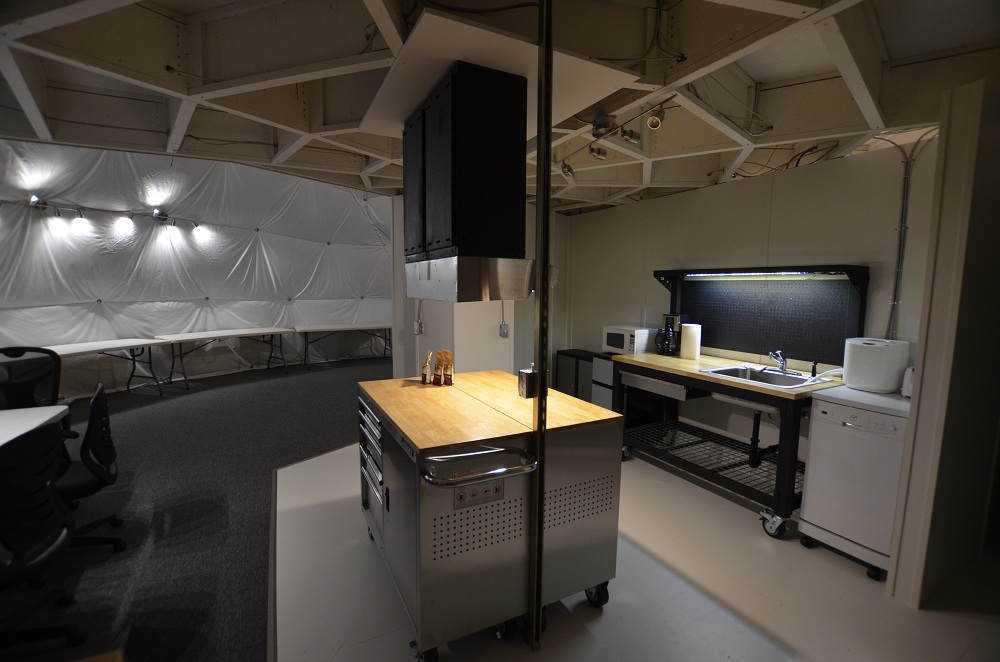
Week 3- This week we have been working on the existing scale code for the project. There are a couple of errors, so we are collectively working trying to debugging the program. In addition, we are trying to get a panorama picture inside the habitat from the crew members for a detailed imaging website. The panorama picture will be presented on the website for the public to see unique items the crew members are using to help them with their research as well as the equipment located inside the habitat.
Week 4- We covered the habitat with the tarp we spray-painted. The colors blend in beautifully and we discovered there was minimal visibility. After we installed the tarp, we were assigned to a new project. The project consists of a food database. The database consists of a food survey, recipes, and nutrition. The food survey is a questionnaire with numerous questions containing to the food the crew members will consume on the mission. The recipe is to guide the crew members to prepare a diversity of meals. Nutrition is to be recorded in order to keep track of the consumption of the nutrition intake. We plan on breaking the database into three entities, then combining them together as one enormous database. We chose to use a web interface for the user interface, so we will be using PHP as well as MYSQL. I will also be learning a new language, PHP, during the next couple of weeks.
Week 5- I started off this week getting familiar with PHP. We designed the food database with three different tables: food survey, recipes, and nutrition. We then created entities for each of the three tables, and finally linking them together using primary and foreign keys. After designing the relational model, we defined the food survey and recipe table using MYSQL. The web interface for the food survey had to correlate with a hardcopy of the survey that was given to use. We connected the database with the web interface and everything seemed to work as expected. Essick and I went through the same process for the recipe table as well. We showed Dr. Binsted our progress on the database, and she found everything great. She recommended us to add an auto-completion search for the recipe portion of the web interface.
Week 6- We focused on completing all three interfaces this week; however we had to go back to the survey and recipe interface to add the auto completion search. The way the auto completion works is it allows the user to enter a character or a series of characters. If the first character or couple of characters matches what is in our database, the user will be able to then choose the recipe he/she desires. The key of the auto complete is to make the user interface more user-friendly. The auto completion search was a bit tricky and took some time, but in the end we manage to get everything working efficient. Toward the end of the week, I went back to Houston for the weekend for my aunt’s wedding.
Week 7- This week we encountered a lot of meetings. The meetings were to check our progress on the database, as well as assign more projects. For example, Dr. Binsted wants us to populate the nutrition database by extracting data from the USDA nutrition database. She seemed to like your progress, so she told us to focus again on the scale code. The scale code is the project we were working on the first couple of weeks in Hawaii, until we were instructed to focus on the food database. Before the problem with the scale code is that neither Essick nor I were able to get the scale code to communicate with our computers. In addition, we were unable to debug the errors the existing scale code had. This time we will write the scale code from scratch. During this week Dr. Binsted also suggested a pull page to retrieve recipes within the database in which we completed as well.
Week 8- After a meeting this week, we were told of the things that we needed to fix for the food database. Dr. Binsted assigned another project for us to work on, but since we were pressed for time she split Essick and I up. Dr. Binsted has received another three years of funding for HI-SEAS, therefore, she wanted me to create a web application that will allow applicants to apply for HI-SEAS missions. The first step I took to creating the web application was designing the web interface. I spent mainly the entire week making sure the interface was design to Dr. Binsted’s liking. Also during this week, we uploaded the tables to the database server. It was fairly easy, but we had problems uploading the CSV file with the USDA nutritional information onto the database server. We were finally able to make everything work by the end of the week, and we felt very accomplished because of the fact we were almost done with this particular project.
Week 9- I started this week off continuing with the web interface for the HI-SEAS application. The application is designed for an applicant to choose whether or not they want to be a crew member, mission support, or both crew member and mission support. From there they are to choose which of the future missions they wish to apply for. Each application has different criteria, so every application is different. If they click crew member it directs them to the crew member page, and it’s the same thing with mission support and crew member and mission support. Along with the web interface, I created a database to store the information. We had another meeting toward the middle of the week. Dr. Binsted gave her input and proposed to design a login page as well as an edit page. I finished the week designing both the login and the edit page.
Week 10- We had our second to last meeting. I showed Dr. Binsted the HI-SEAS application and she was very pleased. We also showed her the food application in which she forwarded to her colleague who we were designing the application for. Her colleague, Jean responded back extremely quick and told us the things we needed to change. Over the next day or so, Essick and I made the proper changes. With two or three days left in Hilo, we managed to squeeze in another project. NASA calls this project “baseball cards” and basically it is a document that allows people to submit project proposals. This project wasn’t as big as the others, so I designed the web interface along with the database and let Dr. Binsted look at it. She felt everything was great, so finally we were done with everything. We spent the last day documenting all the work we’ve done over the summer.
This free website was made using Yola.
No HTML skills required. Build your website in minutes.
Go to www.yola.com and sign up today!
Make a free website with Yola